



HPAIR — Harvard Project for Asian and International Relations
Future Lawyers Program

Global Moot Court
Championship

Led by Harvard student mentors

Eight weeks online that carry students from foundational legal theory to high-stakes courtroom advocacy, in a knockout format judged by legal experts and mentors.

  • Starts 7 November 2026
  • Grades 8 to 12
  • Live judged rounds
  • Certificate & feedback
Tournament PathGrades 8 to 12
Entry FeeUSD 120USD 80 Early Bird
  1. Weeks 1 to 4Foundations, Research & Memorial
  2. Week 5Team Integration & Orientation
  3. Week 6Guided Self-Paced Practice Round
  4. Week 7Knockout Rounds & Semifinals
  5. Week 8The Final & Closing
5 Winning TeamsChosen by the judge and mentor panels
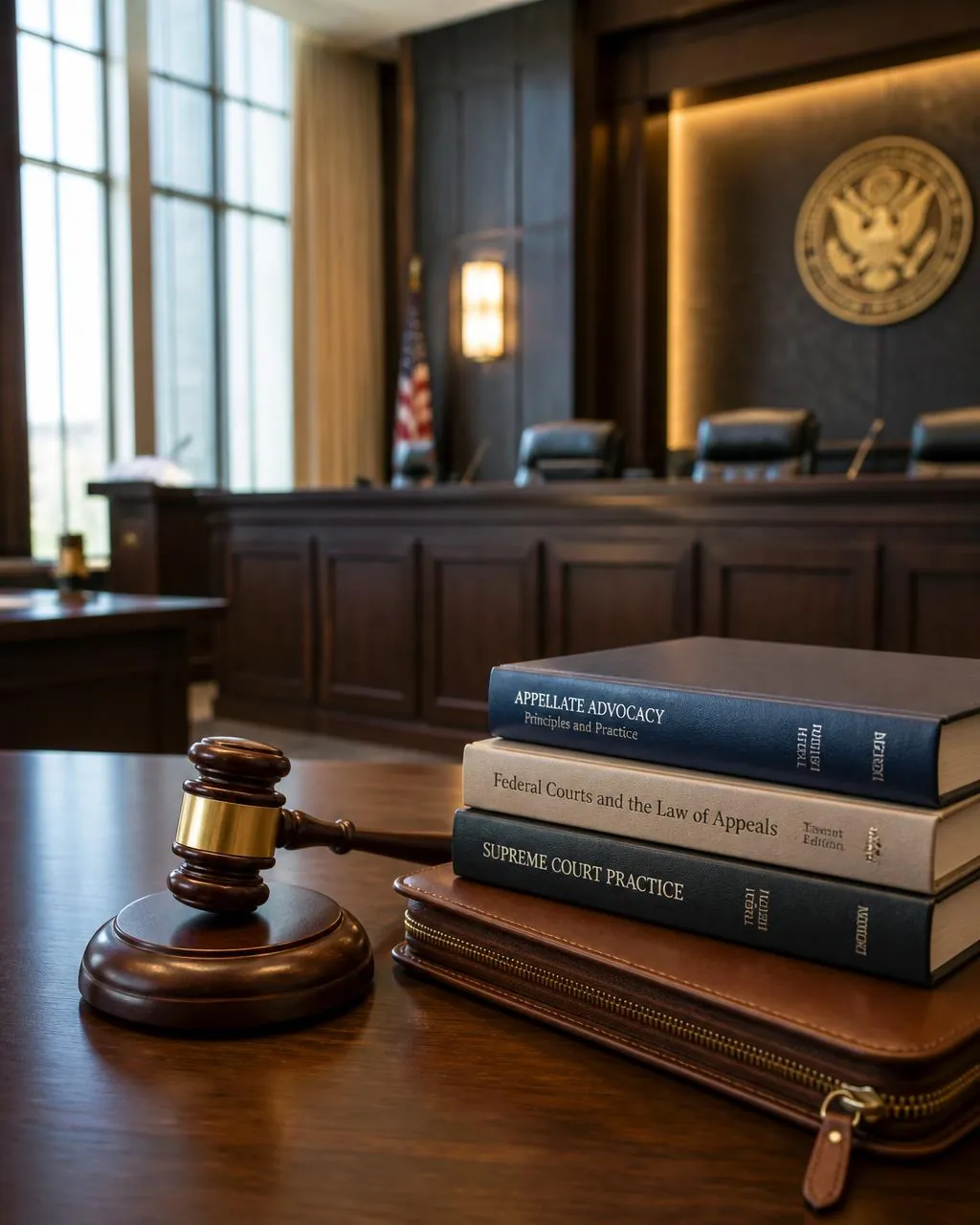
Moot courtroom bench with a gavel and stacked legal texts
About the Competition

An immersive training ground, theory to advocacy.

The Future Lawyers Program 8-Week Online Moot Court Competition is an intensive training ground designed to move aspiring legal professionals from foundational theory to high-stakes courtroom advocacy. Over eight weeks, participants work through core legal disciplines including IP, tort, contract and constitutional law, alongside emerging technical frontiers like AI ethics and algorithmic hallucination.

Competitors then become active strategists by mastering Alternative Dispute Resolution, building rigorous case briefs and drafting formal written memorials. After a guided practice round, the program culminates in a high-pressure knockout tournament spanning the Knockout Rounds and Semifinals, where students face sharp judicial questioning and demanding rebuttal rounds. Judged by seasoned legal experts and mentors, it tests the limits of legal research, critical thinking, written persuasion and oral advocacy, and crowns its champions in a final showcase.

The Curriculum

Six weeks of preparation.
Two weeks of competition.

Weeks 1 to 4 build the legal foundation and case file. Week 5 brings teams together, and Week 6 is a guided practice round before the knockout rounds begin in Week 7.

The Prize

Five winning teams will be chosen.

Out of every team that enters, five winning teams will be selected by the judge and mentor panels and crowned at the Final & Closing ceremony on 26 December.

01Winning Team
02Winning Team
03Winning Team
04Winning Team
05Winning Team

Recognition and awards for the winning teams will be announced soon.

Competition Themes

Propositions at the edge of law and technology.

Each proposition is drawn from one of these four themes. Full problem statements go only to registered teams.

Theme 01
Generative AI, Copyright & Fair Use

Where copyright law meets generative models, and how the limits of fair use are tested when machines create.

Theme 02
Trade Secrets, AI Hallucinations & Data Privacy

How confidential commercial information and personal data hold up in a world of connected devices and automated systems.

Theme 03
Free Speech, Defamation & Platform Liability

Where protected expression ends, reputational harm begins, and how far an online platform's responsibility reaches.

Theme 04
Consumer Protection, Product Liability & Minor Safety

How the law holds makers and sellers to account for the safety of what they put in the hands of young users.

How Teams Work

Team size and composition.

Students are divided into teams of up to four members (minimum of two). Regardless of team size, all rounds follow a strict two-speaker structure, with remaining members providing strategic support. Before any oral round, every team submits a short written Summary of Arguments, the memorial.

Note: If a team has only 2 members, both will act as speakers and share researcher duties. There is nothing to prevent the judges or bench from posing questions to the Researcher as well.

Illustration of a moot court team preparing a case together

Oral Round · Issue 1

Role 01

Speaker 1

Argues Issue 1 before the bench.

  • Presents opening submissions on Issue 1
  • Answers bench questions on the first issue
  • Delivers rebuttal on Issue 1

Oral Round · Issue 2

Role 02

Speaker 2

Argues Issue 2 before the bench.

  • Presents submissions on Issue 2
  • Responds to bench questioning on the second issue
  • Supports the overall rebuttal strategy

Prep + Oral Support

Role 03

Researcher / Substitute (up to 2 members)

Handles the digital legal code, assists in drafting the written memorial, and notes points for rebuttal.

  • Manages the digital legal code
  • Co-drafts the written memorial
  • Tracks rebuttal points during the round
Meet Your Mentors

Harvard Student Mentors

Tsion Debebe, Harvard Student Mentor

Tsion Debebe

Harvard University, Class of 2026 · Government (International Relations & Development)

Tsion is a recent 2026 graduate of Harvard University, who majored in Government with a focus in international relations and development. Tsion was involved with her local county in high school, focusing on employment and education policy, as well as a variety of legal non-profits assisting low-income youth with education and employment. Throughout college, Tsion has explored the legal field through coursework and extracurricular activities such as the Black Pre-Law Society, Model Congress, and more.

GovernmentBlack Pre-Law SocietyModel CongressPolicy & Non-profits
Roles Students Rotate Through

Six dimensions of legal work.

Every student experiences the whole of a case, not just one seat at the table.

Research Counsel
Finding and evaluating legal authorities.
Writing / Drafting Counsel
Structuring and drafting the legal argument.
Oral Advocate
Presenting submissions and responding to questions.
Case Strategist
Identifying strengths, weaknesses and priorities.
Negotiator / Mediator
Exploring settlement and managing competing interests.
Evidence Analyst
Organising facts and assessing evidentiary relevance.
Tangible Student Outcomes

It does not end with a certificate alone.

The goal is not to teach law. It is to help students see how law operates and how lawyers think, so they can answer the real question: do they want to build a career in it?

Case Analysis / Case Brief
Ability to organise facts and identify legal issues.
Legal Research Exercise
Ability to find and evaluate legal sources.
Written Legal Argument / Memorial
Ability to structure and support a legal position.
Negotiation Exercise
Understanding of dispute resolution and legal strategy.
Moot Court Submission
Ability to communicate legal reasoning orally.
Moot Feedback Sheet
Evidence of individual strengths and areas for development.
Personal Reflection
Understanding of whether legal work genuinely interests the student, written in their own words at the close of the competition.

Take the first brief.

Places are limited and teams are formed before Week 1. Apply early or book a call to learn more.

Entry FeeUSD 120USD 80 Early Bird